Masonry Work That Respects Original Construction
Historic Preservation and Repairs in Wilmington for structures requiring period-accurate restoration methods
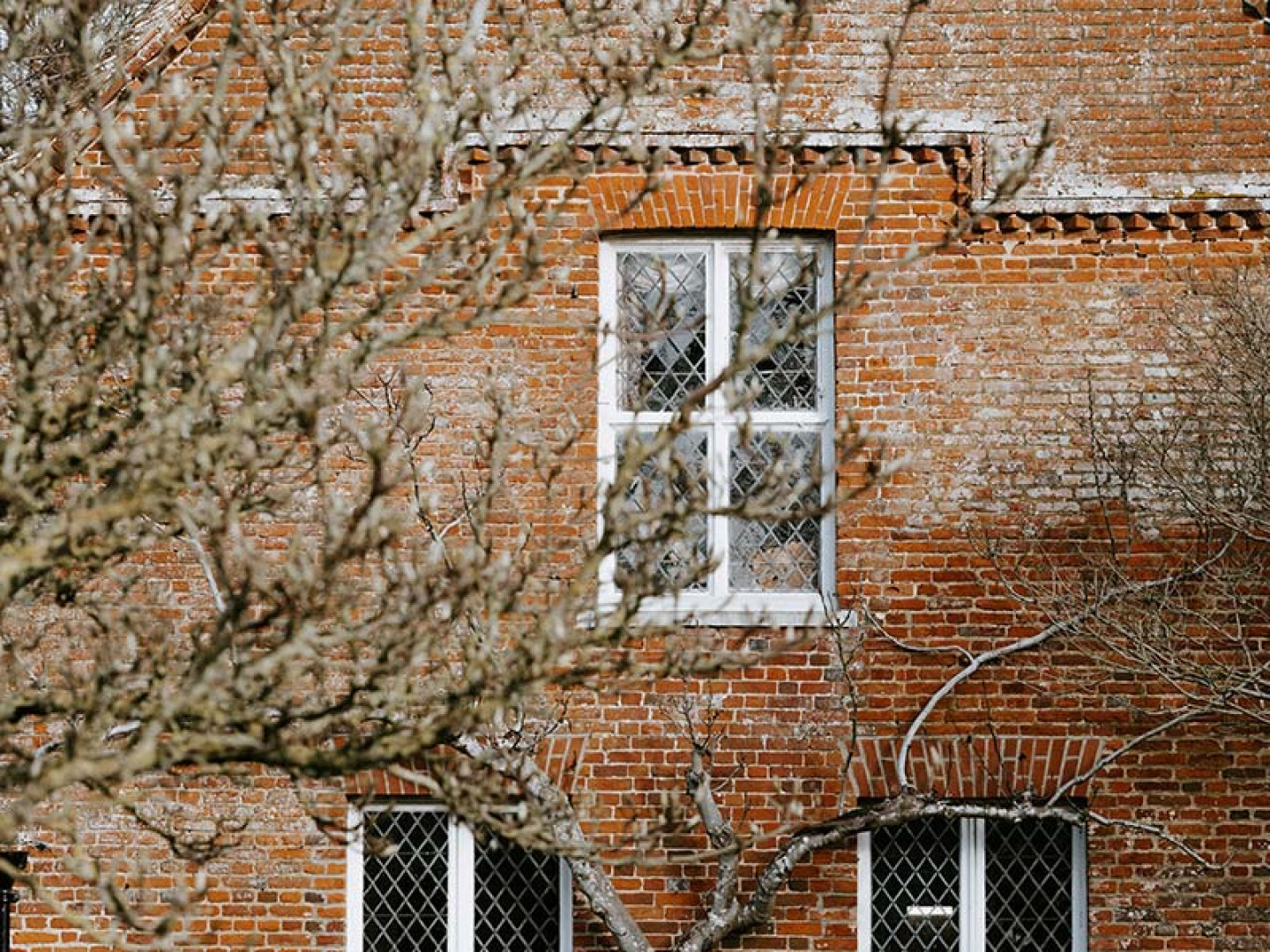
Bricks By Ben restores historic masonry using techniques and materials that match the original construction methods found throughout Wilmington's older neighborhoods and commercial districts. When you're working with brick or stone structures built decades or centuries ago, modern repair methods often create mismatches in strength, appearance, and long-term compatibility. The work involves analyzing the existing mortar composition, matching historic brick dimensions and firing methods, and replicating laying patterns that ensure structural integrity without compromising the building's historical character.
This service addresses deterioration patterns common in older masonry: mortar that has turned to powder from decades of freeze-thaw cycles, bricks that were softer than modern equivalents and crack when paired with hard Portland cement, and structural settling that creates gaps without actually compromising load-bearing capacity. The restoration process involves removing failed material without damaging surrounding historic fabric, mixing lime-based mortars that allow the wall to breathe and flex as it was designed to, and sourcing or creating replacement units that match the size, color, and porosity of what was originally installed.
Schedule a site evaluation to assess your structure's specific restoration requirements and material compatibility needs.
What Proper Historic Restoration Requires
Preservation work begins with understanding why the original builders chose specific materials and methods, then replicating those decisions rather than applying contemporary shortcuts. Lime mortars cure through carbonation rather than hydration, creating joints that remain softer than the brick and sacrificing themselves to protect the masonry units during expansion and contraction. When you use modern Portland cement in a wall built with lime mortar, the harder joints trap moisture and force deterioration into the historic bricks themselves, which are often irreplaceable.
After restoration, you'll notice that repointed mortar joints sit slightly recessed from the brick faces, matching the tooling profile used in the original construction, and the color weathers naturally rather than remaining stark white or gray. The wall sheds water properly again because the mortar's permeability matches what the bricks can handle, and seasonal movement no longer generates new cracks because the materials flex together as a system. Structural repairs address the actual cause of movement—failed lintels, deteriorated tie rods, or foundation settlement—rather than simply filling visible cracks.
The approach varies depending on the building's age, original construction quality, and current condition. Earlier structures often used softer handmade bricks and pure lime mortars that require gentler cleaning methods and longer curing times. Later buildings might incorporate harder pressed bricks or early Portland cement blends that allow for slightly different repair strategies. Each project requires sampling existing materials, testing mortar hardness, and often consulting historical records or preservation standards to determine appropriate methods.
What Property Owners Usually Ask
Owners of historic properties in Wilmington often need clarity on restoration methods before starting work, particularly when dealing with structures that have undergone previous repairs using incompatible materials.
What makes historic brick different from modern brick?
Historic bricks were typically fired at lower temperatures and are softer and more porous than contemporary units, which means they rely on even softer mortar to prevent moisture damage and allow the wall system to move without cracking the bricks themselves.
How do you match mortar to a building that's over a century old?
The process involves removing a sample of original mortar, analyzing its composition and sand gradation, then mixing a lime-based blend that replicates the hardness, color, and permeability of what was used initially, which often requires natural hydraulic lime rather than straight Portland cement.
Why does previous repair work sometimes cause more damage?
When contractors use hard modern mortar in a wall built with lime, the inflexible joints concentrate stress into the softer historic bricks, causing them to crack and spall, particularly during freeze-thaw cycles common in Wilmington winters.
When should historic masonry be cleaned versus left alone?
Cleaning is appropriate when heavy soiling traps moisture or obscures deterioration, but the method must be gentler than what's used on modern masonry—typically low-pressure water and natural bristle brushes rather than sandblasting or harsh chemicals that erode soft brick faces.
What structural issues require immediate attention in older buildings?
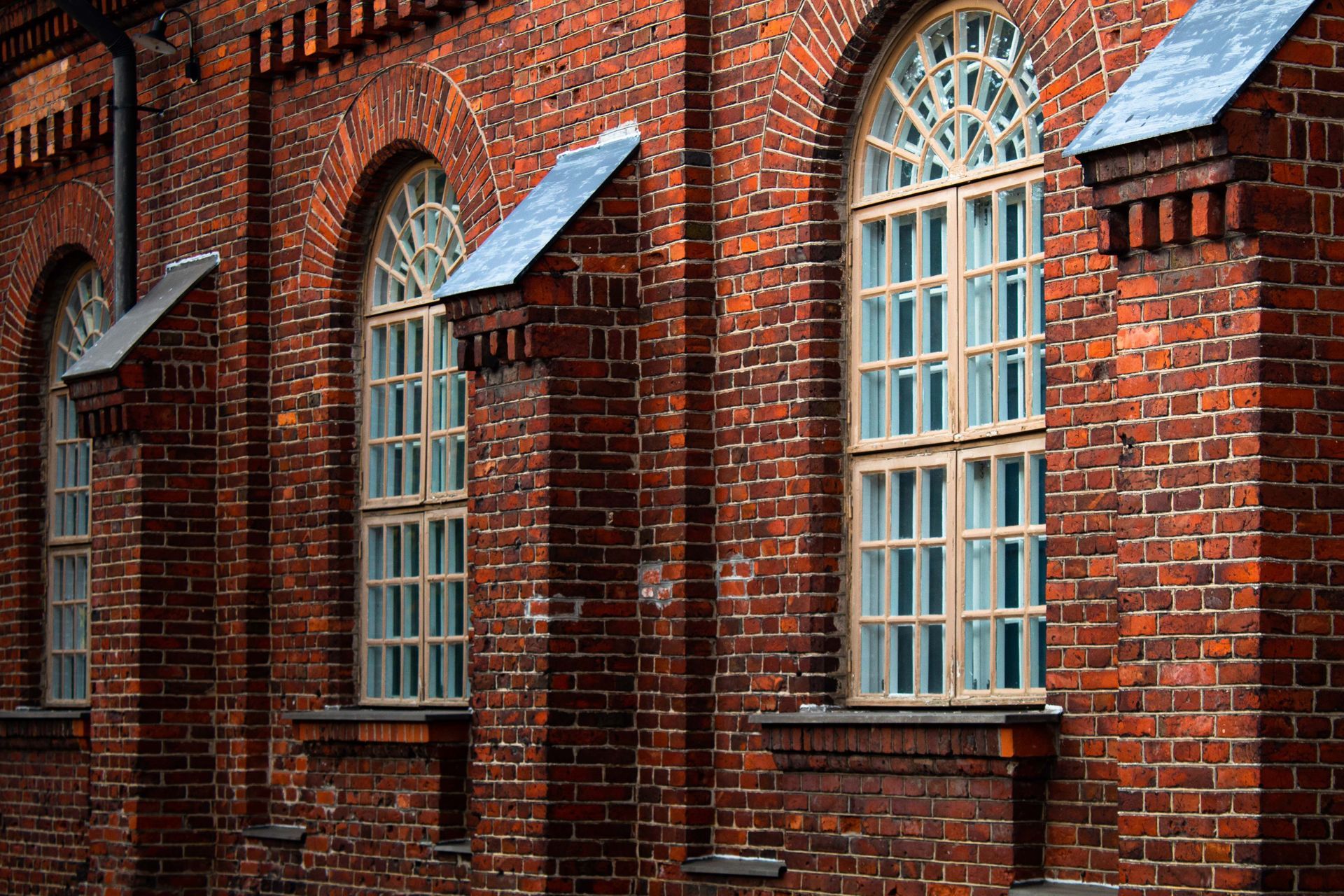
Failed lintels over window and door openings, deteriorated brick corbelling that supports upper floors, and vertical cracks that indicate foundation movement all need evaluation before cosmetic restoration begins, since addressing these prevents future damage to completed work.
Bricks By Ben applies preservation methods appropriate to Wilmington's range of historic architecture, from 18th-century Colonial structures to early 20th-century industrial buildings. Contact us to review your building's specific restoration needs and develop an approach that maintains its historical integrity.