
Paved Surfaces That Handle Weather and Traffic
Patios and Walkways in Wilmington for properties requiring durable pedestrian surfaces and functional outdoor living areas
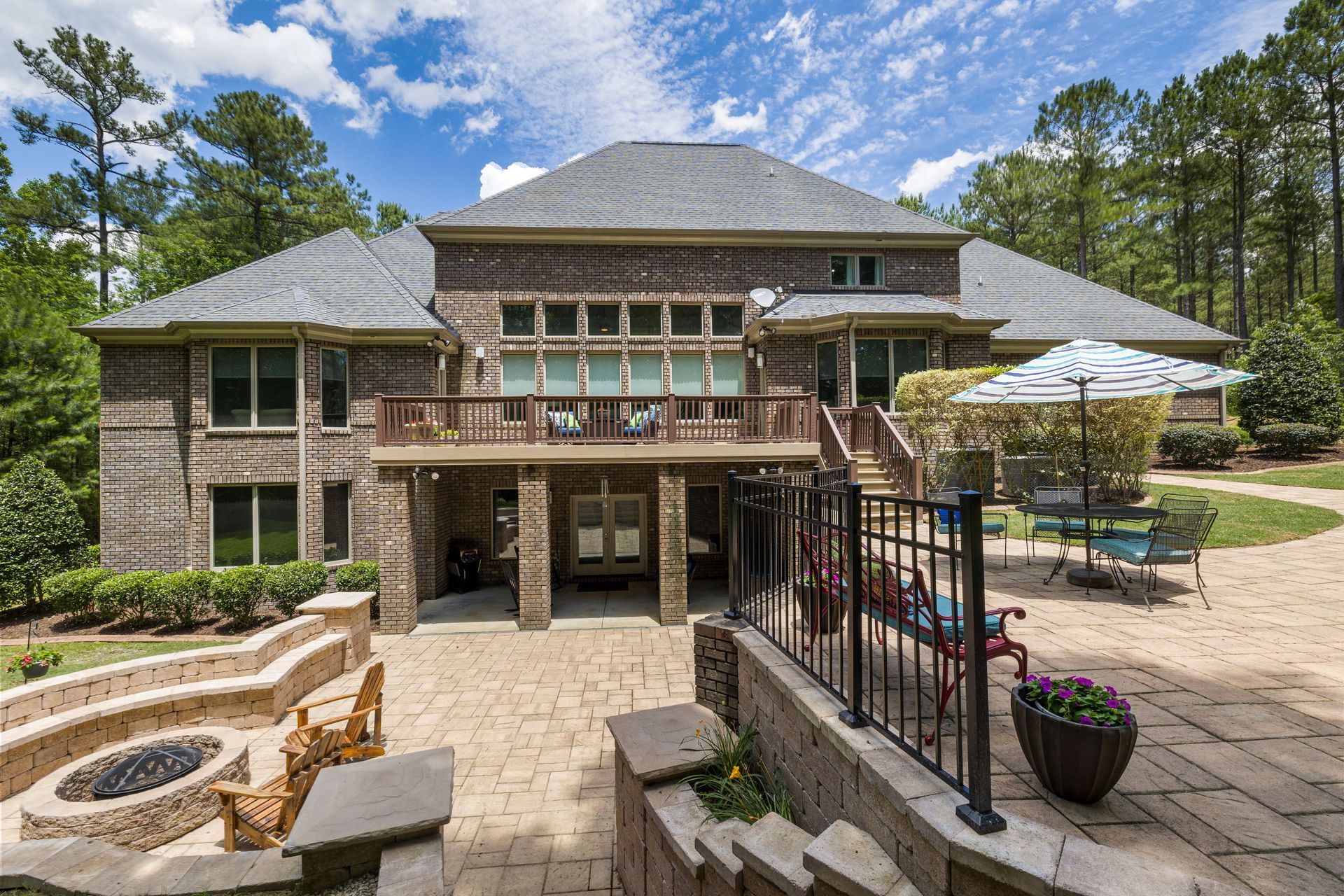
When paver patios develop low spots that collect water or walkways sink unevenly creating trip hazards, the failure almost always traces back to inadequate base preparation or poor drainage planning. Bricks By Ben installs patios and walkways by excavating to proper depth, building compacted aggregate bases that resist settling, and grading surfaces to direct water away from structures and seating areas. The installation accounts for Wilmington's freeze-thaw cycles, which expand and contract soil moisture seasonally, requiring base materials and edge restraints that accommodate movement without allowing pavers to shift or heave.
This work addresses properties where existing concrete has cracked beyond repair, where bare soil creates muddy pathways during rain, or where homeowners want defined outdoor living spaces that extend usable square footage beyond the house footprint. The process involves removing existing material if necessary, establishing proper grade and drainage, installing geotextile fabric and crushed stone base layers, then setting pavers with joint sand that locks units together while allowing water to permeate through the surface rather than running off.
Schedule a site assessment to evaluate your property's drainage patterns and discuss material options suited to your intended use and traffic levels.
What You Notice Once Installation Is Finished
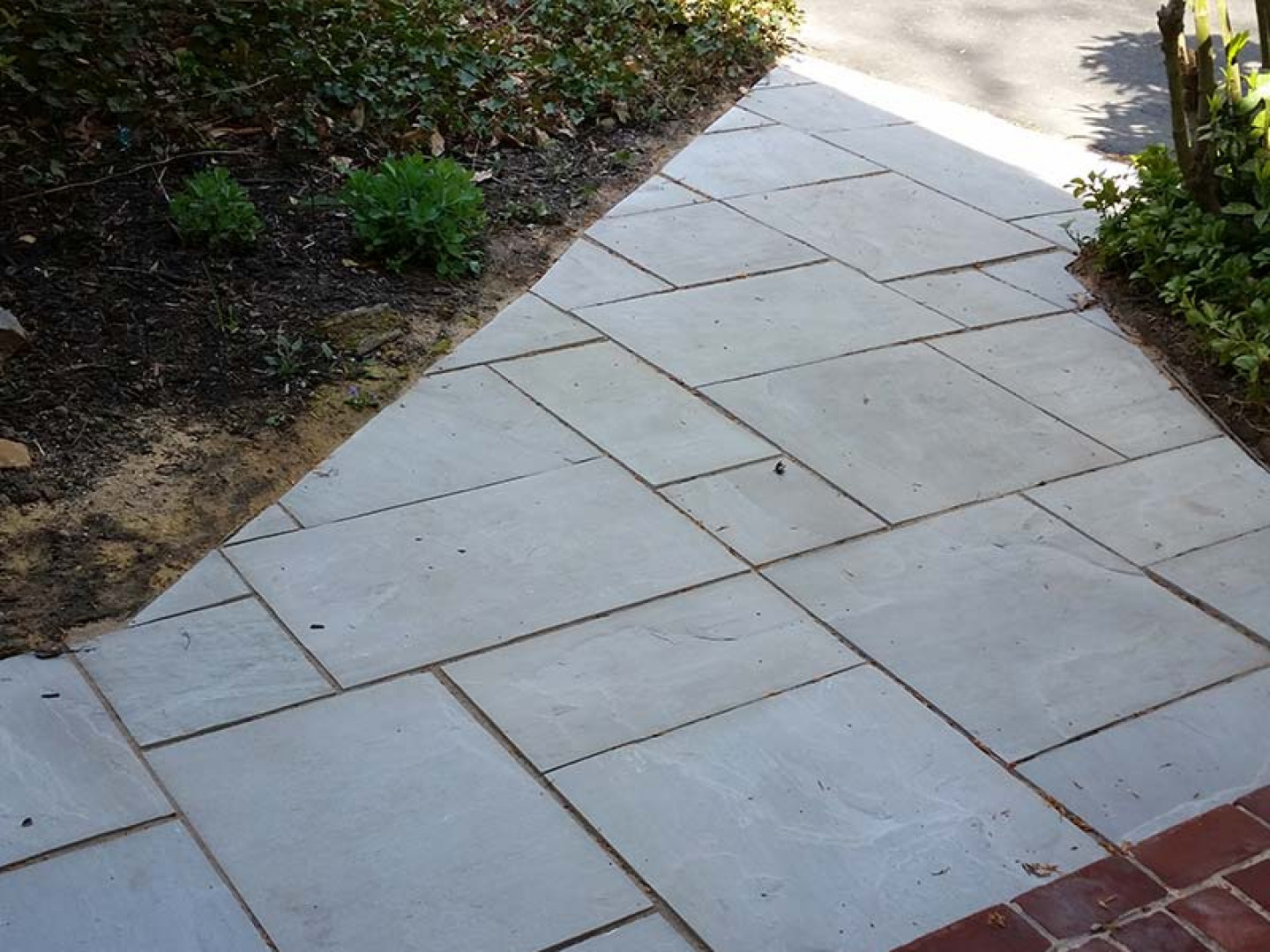
Properly installed patios and walkways perform consistently across seasons because the base structure, not just the visible pavers, was built to handle both load and moisture movement. Base depth varies depending on whether the surface will support only foot traffic or occasional vehicle access—pedestrian walkways typically require six inches of compacted base, while patios used for heavy furniture or near driveways need eight to ten inches to prevent settling under concentrated loads.
After installation, you'll see that the paved surface remains level without developing birdbaths where water collects, joint sand stays in place rather than washing out during heavy rain, and edge pavers remain flush with the field instead of sinking or tilting outward. The surface drains quickly after storms because water moves through permeable joints or slopes toward planned drainage points rather than pooling. Winter freeze-thaw cycles may cause minor seasonal heaving, but properly restrained edges and adequate base depth allow pavers to return to level once ground thaws, unlike concrete which cracks permanently under the same conditions.
Material selection affects both appearance and maintenance requirements. Natural stone offers irregular shapes and color variation but requires occasional re-sanding of wider joints, while concrete pavers provide uniform dimensions and tighter joints that resist weed growth more effectively. Textured surfaces provide better traction in wet conditions than smooth finishes, which matters for walkways used year-round or pool decks. Color choices should account for UV fading over time and heat absorption if the patio will be used barefoot during summer months.
Answers to Frequent Service Questions
Property owners planning patio or walkway installations typically want to understand how construction decisions affect both immediate costs and long-term performance before selecting materials and layouts.
What causes some paver patios to settle unevenly within a few years?
Insufficient base depth, inadequate compaction of base layers, or failure to address underlying drainage issues allow soil moisture to soften the foundation, particularly during freeze-thaw cycles common in Wilmington where saturated soil expands and creates voids as it freezes.
How do you prevent weeds from growing between pavers?
Proper installation includes geotextile fabric below the base to prevent soil migration upward, polymeric joint sand that hardens after watering to resist weed seeds, and ensuring the base is compacted tightly enough that organic material can't accumulate in voids where roots would establish.
Why choose pavers over poured concrete for patios?
Pavers allow for seasonal ground movement without permanent cracking, individual units can be lifted and replaced if underground utility access is needed, and the surface remains usable immediately after installation rather than requiring days of curing time before furniture placement or foot traffic.
When should walkways be curved versus straight?
Curved paths work best when following natural grade contours or connecting multiple destination points organically, while straight walks provide the most efficient route for high-traffic areas between frequently used entry points like driveway to front door or back door to garage.
What's the difference between base requirements for patios versus walkways?
Walkways carrying only foot traffic can use a six-inch compacted base, but patios supporting heavy furniture, grills, or fire features need eight to ten inches of base material to distribute concentrated loads and prevent settling under weight that remains stationary for extended periods.
Bricks By Ben installs patios and walkways using base preparation methods that account for local soil conditions and climate patterns, preventing the settling and drainage issues that compromise many hardscape installations. Contact us to review your property's specific site conditions and discuss material options appropriate for your intended use.