Stonework and Hardscapes Built for Long-Term Use
Masonry and Outdoor Living in Wilmington for properties requiring durable stone features and functional outdoor spaces
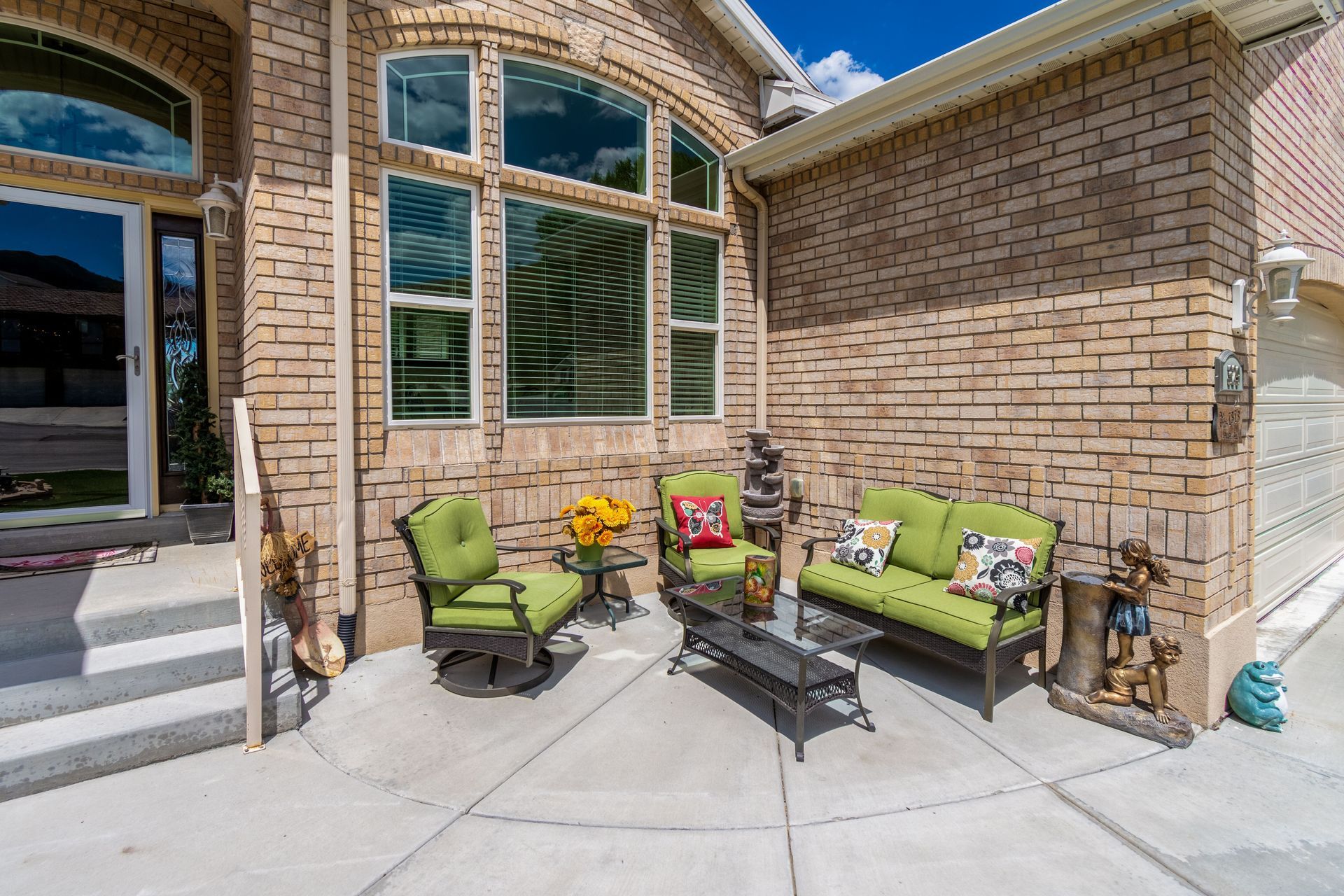
Outdoor living spaces in Wilmington face seasonal temperature swings that crack poorly constructed masonry, soil movement that destabilizes walls and pillars, and moisture infiltration that spalls stone surfaces when water freezes inside. Bricks By Ben builds stone features and hardscape elements by addressing structural requirements first—proper footings below frost line, drainage systems behind retaining walls, reinforcement in freestanding columns—then selecting and placing stone to create features that perform reliably across decades of weather exposure. The work emphasizes stonework for its durability and visual impact, while integrating other hardscape elements like seating walls, fire pits, and outdoor kitchen surrounds into cohesive designs that define functional zones within the landscape.
This service addresses properties where homeowners want to expand usable outdoor space, define garden areas with stone borders or raised beds, create focal points with stone fire features, or add architectural elements that complement the home's existing masonry. The construction process accounts for how materials weather, how joints must accommodate seasonal movement, and how individual features relate spatially to create outdoor rooms rather than isolated decorative elements scattered across the yard.
Arrange an on-site meeting to review your property's layout and discuss which stone features would address your functional needs and site conditions.
What Proper Stonework Actually Accomplishes
Quality masonry for outdoor living involves understanding how stone behaves structurally and how different materials respond to moisture, temperature change, and applied loads. Natural stone offers superior durability and aging characteristics compared to manufactured alternatives, but requires proper setting techniques to prevent individual units from loosening as mortar joints experience seasonal expansion and contraction. Dry-stacked walls rely on careful stone selection and placement to achieve stability through gravity and friction, while mortared applications need joints tooled to shed water and mortar mixes that remain slightly softer than the stone itself.
After construction, you'll observe that stone walls maintain plumb alignment without leaning, mortared joints remain intact through winter freeze-thaw cycles, and horizontal surfaces like wall caps or hearths shed water rather than allowing it to penetrate and cause interior deterioration. Fire pits and outdoor fireplaces draw properly because flue dimensions and airflow were calculated during design, and the materials selected can withstand direct flame contact and rapid temperature changes without cracking. Stone patios and walkways develop natural patina as they age rather than looking worn, and structural elements like pillars or entry features remain stable because footings extend below frost depth and resist soil movement.
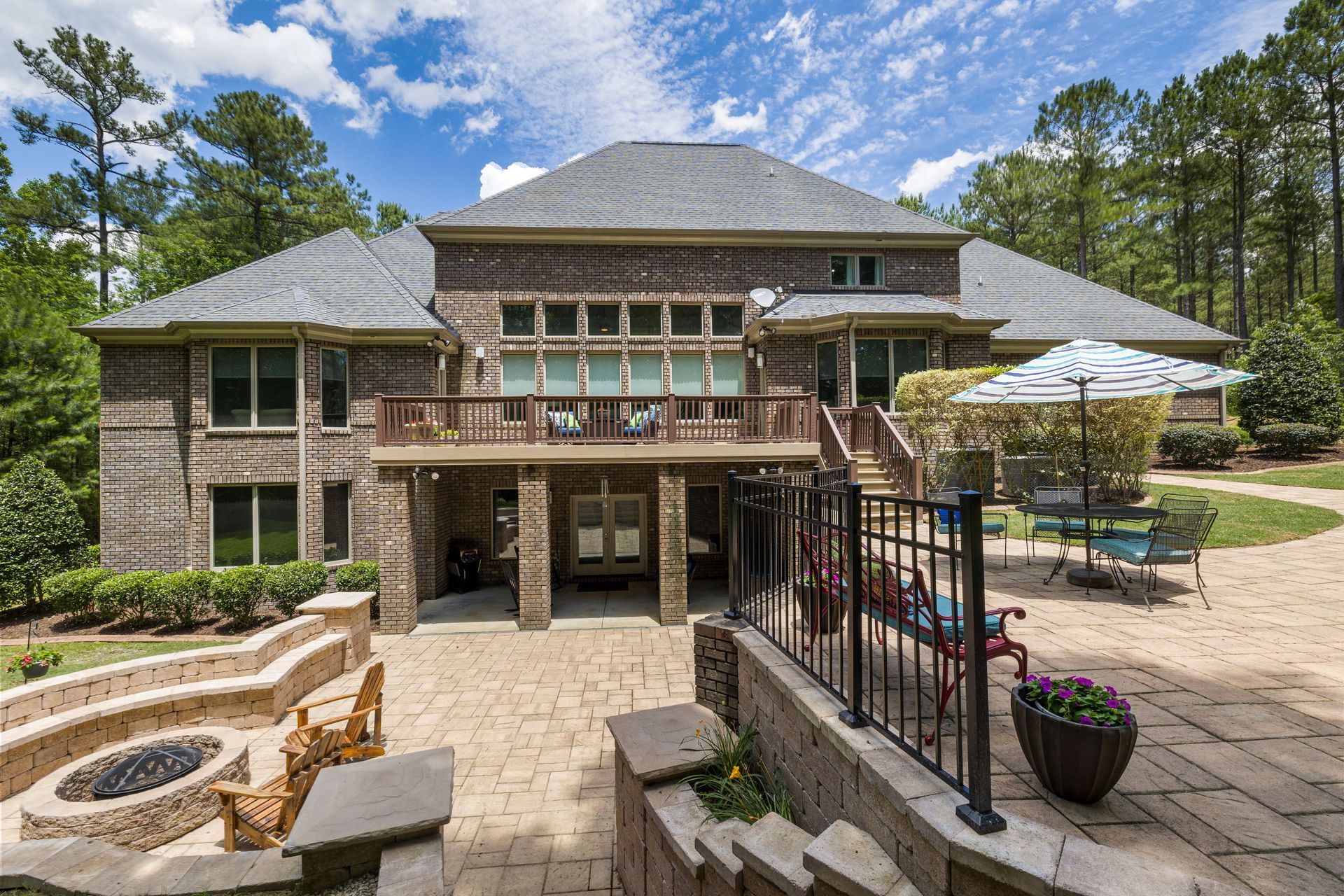
The scope of outdoor living projects varies considerably based on site conditions and homeowner objectives. Some properties benefit most from retaining walls that create level terraces where grade change previously prevented use, while others need stone veneer on existing concrete structures to integrate them visually with landscaping. Outdoor kitchens require coordination of stone surfaces with utility placement, weather protection, and clearances for safe cooking equipment operation. Each application demands specific structural solutions and material selections appropriate to its function and exposure.
Questions Before Starting Your Project
Homeowners considering stone features and outdoor living spaces typically need to understand how construction methods and material choices affect both project cost and long-term durability before committing to specific designs.
What makes natural stone more durable than manufactured stone for outdoor applications?
Natural stone is solid throughout and weathers uniformly, while manufactured stone veneer has a concrete core that can crack and a surface finish that may delaminate under freeze-thaw stress, particularly in exposed locations where moisture penetrates joints and backing materials.
How deep do footings need to be for freestanding stone features?
In Wilmington, footings must extend at least 36 inches below grade to reach below the frost line, preventing soil heaving during winter freeze cycles from shifting pillars, walls, or other vertical stone elements that would crack or lean if the foundation moves.
Why do some outdoor fireplaces smoke excessively or draw poorly?
Inadequate flue height, incorrect firebox dimensions, or lack of a proper smoke shelf all prevent hot gases from rising efficiently, causing smoke to spill into seating areas, which requires rebuilding the firebox to correct rather than simply extending the chimney height.
When should stone be dry-stacked versus mortared?
Dry-stacked construction works for retaining walls under four feet tall where drainage and natural flexibility benefit from unmortared joints, while mortared stone is necessary for vertical features like pillars, outdoor kitchen surrounds, or any application requiring rigidly bonded units for structural stability.
What maintenance do stone features require long-term?
Mortared joints may need repointing after decades of weather exposure, stone surfaces benefit from occasional cleaning to remove organic stains or efflorescence, and horizontal surfaces should be sealed if the stone type is porous enough to absorb water that could freeze and cause spalling in winter months.
Bricks By Ben builds stone features and outdoor living spaces using construction methods that address Wilmington's climate conditions and soil characteristics, ensuring masonry investments deliver both function and curb appeal for decades. Request a consultation to discuss your property's potential for stonework and hardscape integration.